
Cullen’s Suicidal Spiral
The Good Nurse: A True Story of Medicine, Madness, and MurderThis thread traces Cullen’s recurring self-harm and suicidal gestures, which brought him attention and care but never ended his access to patients.
increasing Bearing strength in each event
 decreasing
Bearing strength in each eventdecreasingA Childhood Gesture
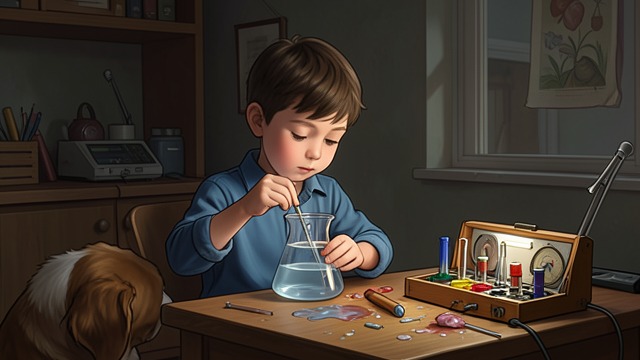
A Childhood Gesture
Early Despair
Cullen later described mixing chemicals from a children’s chemistry set into milk in an early attempt to harm himself. He became ill but survived, beginning a pattern in which distress was expressed through self-injury or dramatic threats.
Attention and Relief
His actions brought adults and medical professionals into contact with his pain. Cullen came to associate crisis with care, a connection that would recur across his adolescence and adult life.
The story does not make his later crimes inevitable. It does show how his need to be noticed and rescued became an enduring part of his personal narrative.
The Navy Crisis
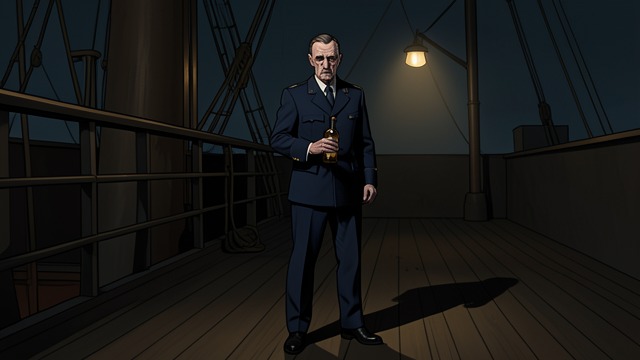
The Navy Crisis
Failure to Belong
Cullen struggled with discipline, isolation, and the demands of life aboard submarines and support ships. He drank heavily, resisted orders, and repeatedly sought ways to escape a military contract he felt trapped inside.
Another Emergency
In January 1984 he drank poison and reported to sick bay. The incident led to another psychiatric hospitalization and further attention from medical staff.
The Navy years intensified his sense of helplessness, while also familiarizing him with the power of medical crisis to interrupt ordinary obligations. Nursing would later give him a setting in which he could control the emergencies around him.
The Marriage Years
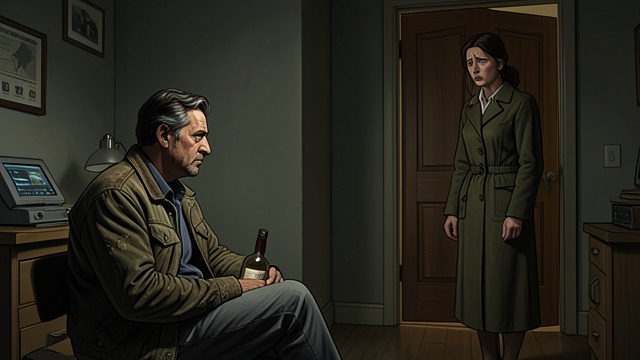
The Marriage Years
Private Drinking
Cullen hid alcohol from Adrianne and described himself as depressed, but resisted treatment. His wife’s efforts to confront the drinking often ended in arguments, withdrawal, or threats of self-harm.
Crisis as Communication
He staged suicidal gestures and hoped they would make others understand his suffering. When Adrianne did not respond as he wanted, he felt more abandoned and wronged.
The pattern was destructive to his family and did not result in stable treatment. It also reveals how Cullen could use crisis to pull attention toward himself while avoiding sustained responsibility for his behavior.
Hospitalization and Return
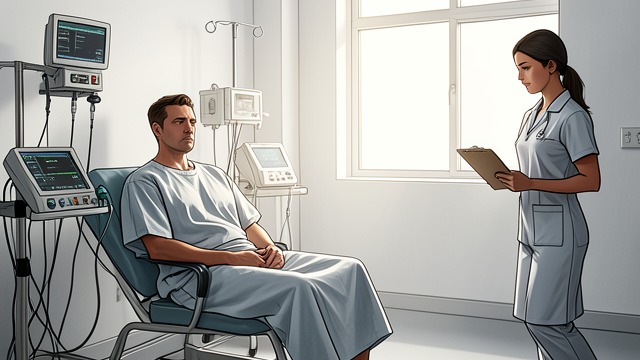
Hospitalization and Return
Temporary Containment
Cullen entered psychiatric hospitals and treatment programs after suicide attempts, including a stay at Greystone Psychiatric Hospital. He experienced periods of calm within structured care but repeatedly returned to his former routines.
A Career Continues
Even after severe crises, he found nursing work again. His suicidal behavior did not prevent him from gaining access to patients, and institutions treated his personal distress separately from concerns about his clinical conduct.
This separation mattered. Care for Cullen’s own mental health did not substitute for an effective assessment of risk to patients, and his work continued across hospitals despite repeated warning signs.
Killing by Proxy
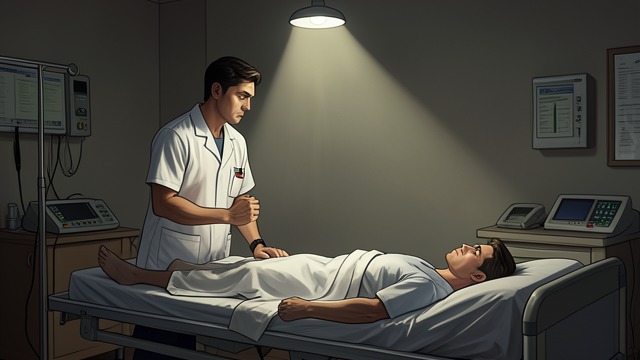
Killing by Proxy
A New Outlet
Cullen later described harming patients as a way of expressing control when he felt powerless. The patients became the means through which he could create a death without killing himself.
A Contradictory Self-Image
He continued to present himself as a caregiver and sometimes spoke of his actions as interventions or relief. He avoided the language of murder, maintaining a story in which he could acknowledge harm without fully accepting its moral meaning.
His history of suicidal behavior offers one interpretive frame, not a complete explanation or excuse. The narrative leaves the motives unresolved even as it shows how the hospital gave his private impulses an outward target.
Around age nine
1978 to January 1984
1987 to 1993
1993 to 2000
Late 1990s to 2003
